The global economy has been feeling the impact of US President Donald Trump’s tariffs on virtually all the countries with trade partnerships. Though there have not been retaliatory moves from the Australian government, the country’s economy cannot escape the effects of the recent trade wars between the US and other countries.
The Australian dollar has already shown the earliest sign of impact, with the Bank of Sydney highlighting a risk that it could fall below US$0.60 for the first time in two decades (aside from the pandemic in 2020). The various levies on food, imports, trade, and other aspects of the economy makes it imperative for business owners to know what’s obtainable. This article explores the potential impact of Trump tariffs on Australia’s small and large-scale businesses.
A Quick Look at Trump’s Tariffs on Australia
In early April 2025, US President Donald Trump announced that new tariffs would be implemented by his administration. According to Trump, the tariffs, which he described as a “ Declaration of economic independence ,” were levied on other nations to balance trade partnerships and boost local production in the US.
The key details of the tariffs are highlighted below:
- A universal “baseline” tariff of at least 10% in many countries, including Australia.
- Trump auto tariffs of 25% on all foreign-produced automobiles.
- Reciprocal tariffs of approximately half the rate imposed on the US by other countries.
There have been varying schools of thought about the tax levies. Prime Minister Anthony Albanese said Australia would not enter trade wars or retaliate against US goods despite Trump’s tariffs being “unjustified.” Meanwhile, the opposition leader, Peter Dutton, said the tariffs were a “bad day” for Australia and would have a “significant impact” on jobs across the country. Now, with the Trump tariffs explained, let’s check out their potential effects on businesses and the broader AU economy.
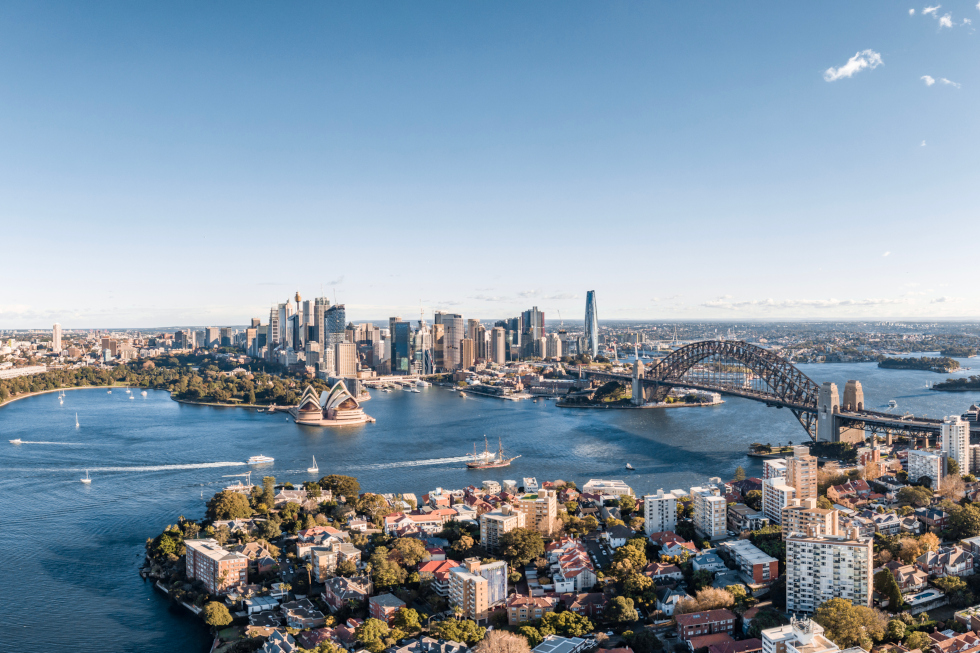
The Impacts of the Tariffs on Australian Businesses
Trump’s tariff move in April 2025 invalidated Australia's previous exemptions under the 2005 Australia–United States Free Trade Agreement (AUSFTA). The agreement was made to reinforce bilateral relationships between the US and Australia, but that’s no longer the case.
Here are the repercussions of the tariffs that business owners should know about:
Impact on Agricultural and Industrial Goods
Though China is Australia’s largest export partner, with the country exporting goods valued at A$212.7bn ($133.4 billion) to the Asian giant between 2023 and 2024, Australia’s agricultural exports to the US are also of decent margins.
Products like beef, wine, dairy, wheat, barley, and sugar are among the top exports to the US, with beef exports alone valued at A$2.4 billion in 2024. However, despite Australia facing a minimal 10% tariff compared to China’s 145% and 25% for Canada and Mexico, exporters now face a reduction in their profit margins.
A 10% tax margin automatically eats into their potential gains, unless they are spreading the net difference to the cost of their goods paid by consumers. And with an “America first” narrative from the US, it’s unlikely for AU agri-exports to increase in demand and offset the incurred losses.
How Will Tariffs Impact the Australian Economy?
Looking at the broader economic activities outside agriculture, Trump’s 10% blanket tariff on all imports has made Australian goods less competitive in the U.S. According to the Department of Foreign Affairs and Trade (DFAT), there’s a projected decline of 6%–8% in goods exports to the US from Australia. That translates to a revenue decline of A$4.5–A$6 billion for direct US exports.
Conversely, indirect exports to the Asian markets for exports to the US will be impacted due to the retaliatory tariff wars between China and the US. That means goods like metals, electronics, and chemicals from Australia face less demand as Asians face challenges with US exports.
Which Sectors Will be Affected Most by Tariffs in Australia?
Many other sectors are bound to feel the pain of Trump tariffs in Australia. These include the country’s critical export sectors like mining and resources, tourism, and education. Australia’s mining and resources sector has already seen a decline in the iron ore price since January. Items like thermal coal have also dipped in demand since major importers like China have limited their need for industrial power. So, unless the stimulus measures implemented by China are enough to offset the losses, countries like Australia will see a decline in their thermal coal demands.
For tourism and education, both sectors will also experience declines in financial and human resources. Since major Australian airline agencies and travel companies are experiencing revenue declines due to reduced outbound tourist activities. For instance, A$105 million was recently lost due to the limit in the US operations of the Australian airline.
Currency and Stocks
The currency and stock markets are also heavy bearers of the impact of Trump’s tariff moves. The AUD has been falling sharply, with about a 6% decline between January and April when compared to the USD. However, it has been relatively stable against Asian currencies like the Yuan and Yen.
Similarly, the Australian Securities Exchange (ASX) has been experiencing a high number of sell-offs as many investors move away from risky assets like stocks. Most of these assets have lost value due to the global fall in stock prices. The devaluation of the AUD also contributes to the current challenge, as more businesses face rising costs, particularly in sectors like construction, retail electronics, and medical equipment.
Which Industries Could Be Less Affected By Trump’s Tariffs?
Despite the impacts of the tariffs on various sectors and industries, here are strategic industries Australian businesses can consider which might be less affected by tariff uncertainty:
Education
Service-based sectors like education are not included in Trump’s tariffs, making them less susceptible to huge losses during the trade wars. For instance, the international student scene in Australia is filled with immigrants from other countries and not primarily the US. Moreover, the tension between the US, China, Mexico, and Canada could cause more students to move to other countries like Australia.
With A$51 billion generated from international education in Australia this 2024, the numbers are more likely to grow in 2025.
Healthcare
Essential service sectors like healthcare could also stay immune to the effects of Trump’s tariffs. That’s because those who require medical care are local Aussies who reside in the country. With over 16% of the total population comprising the older generation, healthcare providers, especially those dedicated to aged care services, could still be set up for success.
Tech
In the era of remote work, Australia’s digital and gig economy is also likely to continue boosting the economy. This could mean exporting digital items like software to selling cloud services in Australia and beyond. Moreover, there’s a high demand for Australia’s digital products in Asia. So, we could see AU tech businesses expand their client bases to countries like China.
Tourism
Australia’s tourism sector can also operate at a high level despite the ongoing trade wars because the country’s tourism exports to the US are negligible. Also, domestic tourism could be a major driver, especially now that the weak currency automatically makes it less desirable to travel out due to high costs. So, more incoming flights will potentially abound because they are cheaper.

How to Start a Business in Relatively Stable Industries
Pivoting from an unstable, high-tariff-exposed sector to a more stable industry is feasible. It’s also possible to start a new business from scratch and leverage the strong domestic demand and low reliance on US exports that these sectors offer.
Here are a few tips on getting started:
- Choose an industry that aligns and functions well in offering tariff-proof services. Think fintech, educational services, healthcare, renewable energy, tourism, and fast-moving consumer goods (FMCG) retail.
- Do your due diligence to understand the industry you want to go into.
- Register your business and perfect your documentation via the Australian Business Register .
- Understand the potential tariffs and regulations that can impact business activities in these sectors.
- Begin small with a minimum viable product (MVP) or local goods before scaling.
- Continually update yourself with economic sanctions, regulatory changes, and other required data to stay ahead.
Trump’s Tariffs Are Not the End
Though major sectors of the Australian economy are affected by Trump’s global tariffs, there are still viable industries with minimal to no impacts. Starting a business in any of these stable industries or pivoting from a high-risk one to those without tariffs is a strong option to consider.
However, with nothing cast in stone, it’s crucial to note that tariff laws change, making it crucial to stay on top of things and make adjustments when necessary.
FAQs
What tariffs has Trump announced for Australia?
The major Trump tariff affecting Australia is the baseline 10% levy that President Trump announced in April 2025. However, pharmaceutical goods are exempt from the tariffs.
Why is Trump putting tariffs on Australia?
Trump’s recent tariff moves are not limited to Australia. According to him, the global trade levies are aimed at stabilising the US economy and fighting what the US considers unfair from other countries.
When do Trump’s tariffs start?
The latest Trump tariffs became effective on April 5, 2025. The move applies to virtually all countries, including Australia.
What businesses in Australia will be unaffected by tariffs?
The Australian businesses excluded from the tariffs as of the time of writing include healthcare, technology, domestic services, financial services, and rare earths (essential minerals).