Australia is home to some of the world's most successful and wealthiest entrepreneurs.
Their success stories are as diverse as the country, from tech entrepreneurs like Mike Cannon-Brookes to Gina Rinehart, the richest person in Australia, who inherited and expanded her family's mining empire. These individuals have built businesses that not only dominate the Australian markets but also have significant global impact.
This article delves into the lives of the richest Australians, exploring how they achieved their immense wealth and the strategies that propelled them to the top.
If you're thinking of starting your entrepreneurial journey, browse businesses for sale in Australia. The next success story could be yours!
Who Are the 10 Richest Australians in 2026?
According to the Australian Financial Review Rich List 2026, Gina Rinehart remains Australia's wealthiest person, with an estimated fortune of A$39.01 billion. Here are the ten richest Australians in 2026, based on the AFR's May 2026 estimates:
|
Rank |
Name |
Estimated net worth |
Source of wealth |
|
1 |
Gina Rinehart |
A$39.01 billion |
Mining |
|
2 |
Harry Triguboff |
A$32.29 billion |
Property |
|
3 |
Anthony Pratt and family |
A$25.19 billion |
Manufacturing |
|
4 |
Ivan Glasenberg |
A$22.38 billion |
Mining |
|
5 |
Clive Palmer |
A$19.56 billion |
Mining |
|
6 |
Melanie Perkins and Cliff Obrecht |
A$17.56 billion |
Technology — Canva |
|
7 |
Nicola Forrest |
A$17.32 billion |
Mining |
|
8 |
Andrew Forrest |
A$15.93 billion |
Mining |
|
9 |
Michael Dorrell |
A$13.82 billion |
Investment |
|
10 |
Mario, Marcello and Adrian Verrocchi |
A$12.76 billion |
Retail — Chemist Warehouse |
Australia's richest people have made their fortunes in industries as varied as mining, property, manufacturing, technology and retail. While some have inherited family businesses and expanded them into global enterprises, others have built their companies from the ground up.
But extraordinary business success isn't limited to those at the very top of the rich list. From an online design platform that challenged global software giants to a juice bar that became an international franchise, Australia's entrepreneurs have demonstrated that there are many paths to building a successful business.
Below, we explore five of their stories.
How Did Australia's Most Successful Entrepreneurs Build Their Businesses?
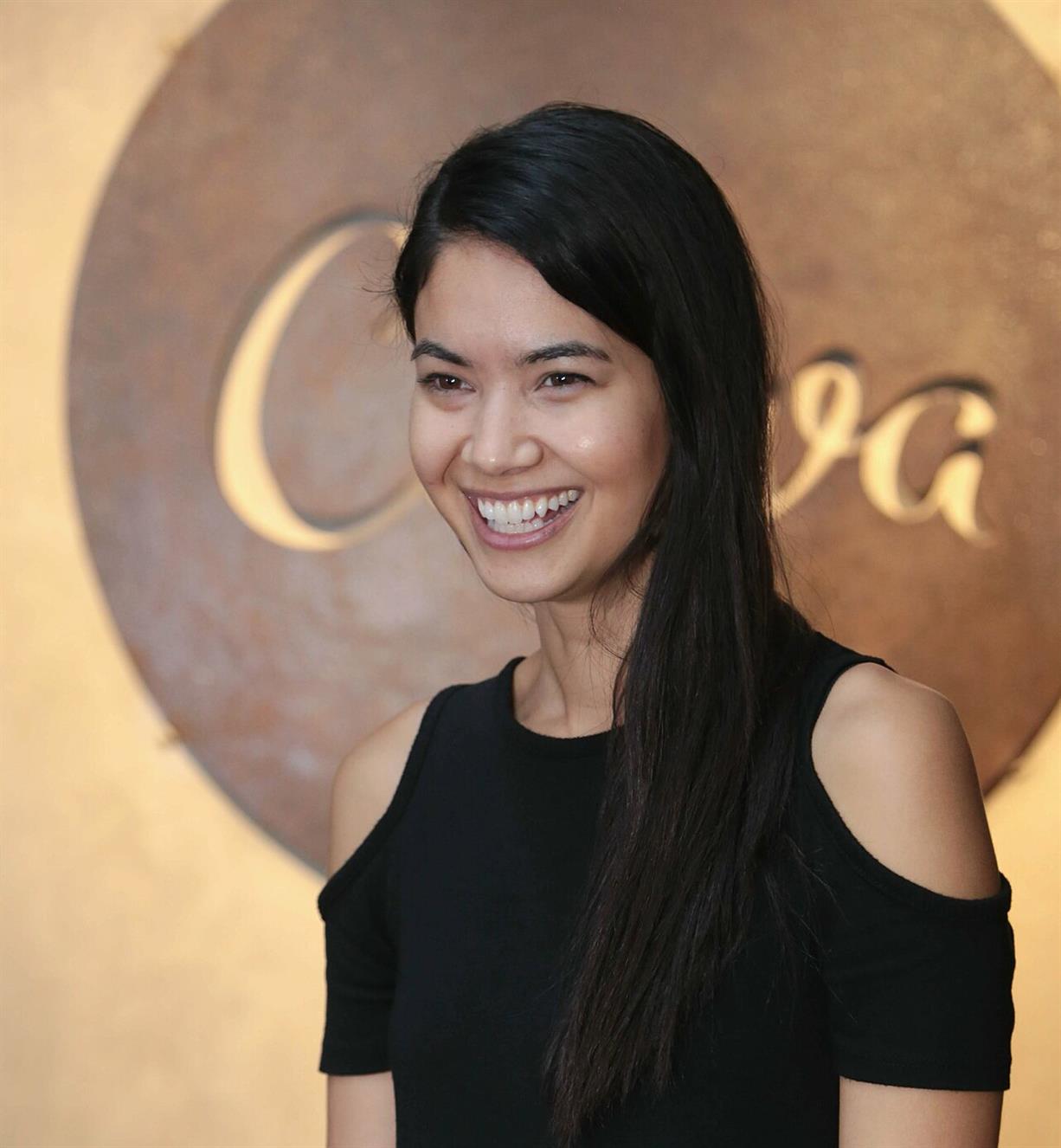
Melanie Perkins – Canva
Melanie Perkins and her now-husband, Cliff Obrecht launched Canva in 2013. What started as a yearbook design business soon took on Goliaths like Microsoft and Adobe, breaking down barriers in design.
"The idea of making design really simple was the first idea," says Perkins, who envisioned an easy-to-use design tool while teaching fellow students basic computer design.
Canva's success is an incredible story of perseverance, creativity and passion. Miles away from Silicon Valley, Perkins, rejected by 100 venture capitalists, struggled to find investors. A chance meeting with legendary Kiteboarding Venture Capitalist Bill Tai got Perkins the much-coveted invite to ACTAI Global, Bill's unique retreat for investors and kitesurfing enthusiasts. "It was like, risk: serious damage; reward: start a company,” says Perkins.
Perkins started training for this dangerous sport, knowing this was a great opportunity to network in Silicon Valley and a chance for potential early-stage funding. Cameron Adams, a fellow kitesurfing enthusiast, became the third co-founder and tech advisor.
Chasing waves paid off, and Canva raised $3 million in 2012 and early 2013, including a crucial matching grant from the Australian government.
At just 30, Melanie Perkins became one of the youngest female tech unicorn founders when Canva, was valued at $1 billion only five years after its launch. As of 2024, Canva has 180 million users and is valued at $40 billion. Melanie Perkins has a net worth of $8.8 billion, making her the youngest billionaire in Australia.
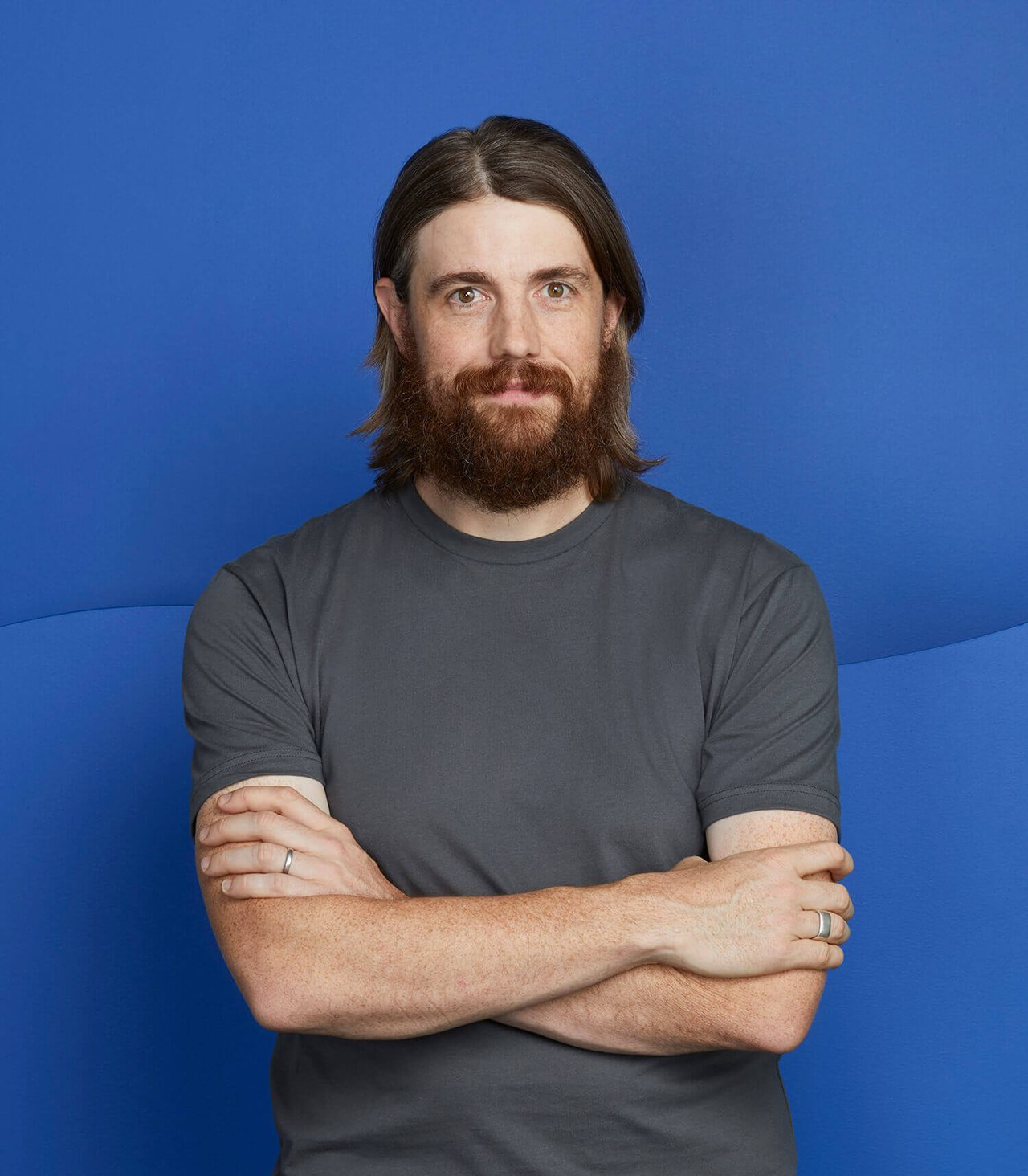
Mike Cannon-Brookes – Atlassian
"Our goals when we started were not to have to get a real job and to not have to wear a suit to work every day."
With the modest goal of starting a software company and earning A$40,000 per annum without working for anyone, Mike and his friend Scott Farquhar, founded Atlassian in 2002. Their idea was to develop software tools for software developers that would empower teams to work more efficiently and collaboratively.
With this vision, they created and launched their flagship product, Jira, an issue-tracking software used by various companies for agile project management. They knew that the United States would be their biggest market. But instead of investing in a traditional sales team, they built a self-service platform. The risk paid off, and one morning, they had a purchase order from American Airlines without making a sales pitch.
Little did they know that Atlassian would become the world's leading agile project management software and earn Mike the epithet 'accidental billionaire'. But there is nothing accidental about his success story!
Atlassian is now worth more than A$64 billion, and Mike has a net worth of A$16.5, making him the fourth richest person in Australia. Even today, with no formal sales team, 83% of Fortune 500 companies use Atlassian products, including customers such as NASA, Tesla and SpaceX.
Atlassian's success is a testament to Mike and Scott's passion, dedication, and vision.
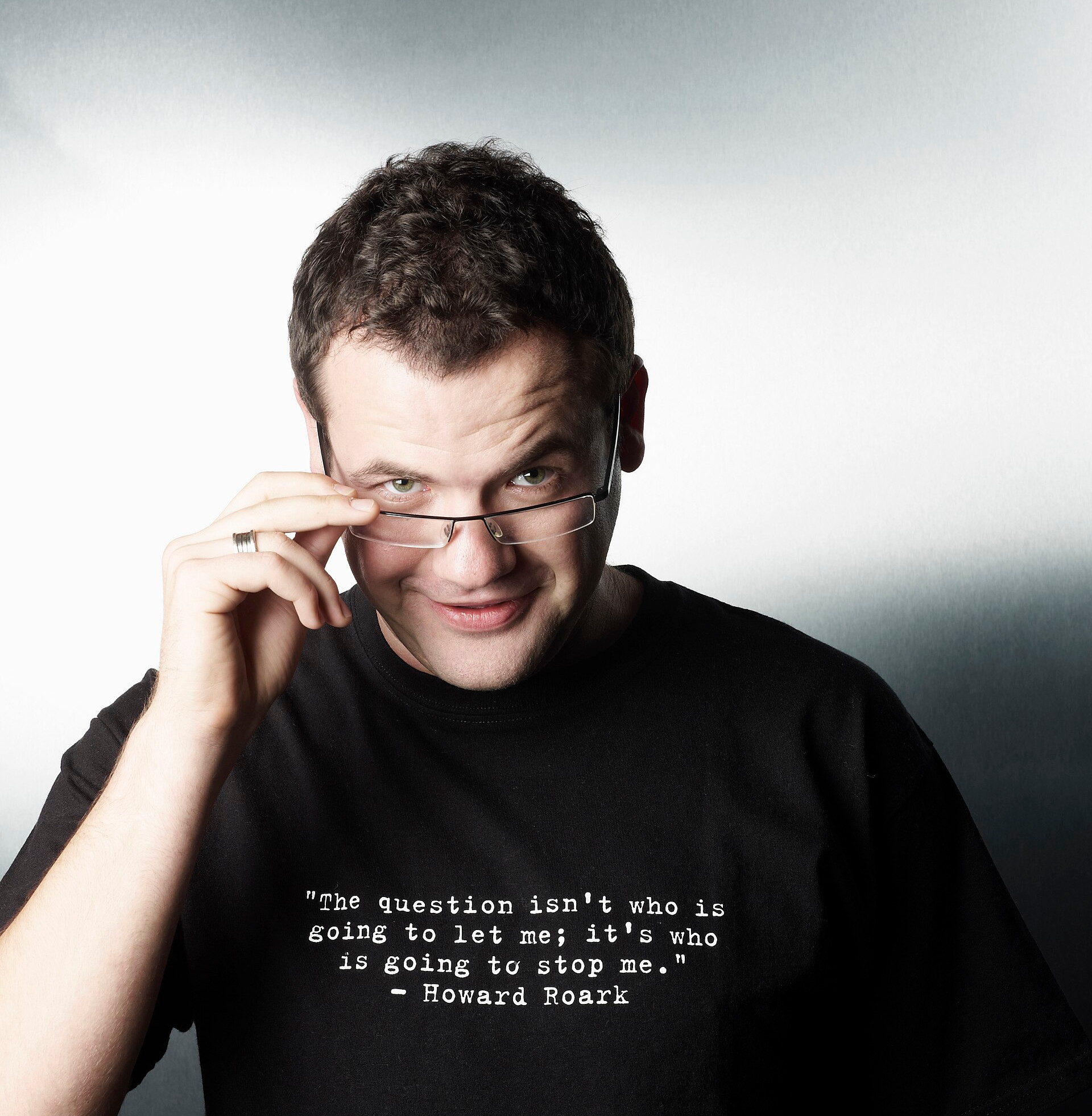
Ruslan Kogan - kogan.com
"You don't need to be from a family that's previously had businesses or has lots of money. You can do it yourself."
For Ruslan Kogan, the son of Belarusian immigrants who arrived in Australia in 1989 with $90 to their name, entrepreneurship began early. When he was about 10, he noticed discarded golf balls from a nearby golf course. He began to gather, clean and resell used golf balls to golfers at a lower price than the pro shop.
The idea for kogan.com came to Ruslan when he was in the United States on an exchange program. Online shopping in America was booming. Though Australia had eBay, ecommerce was unheard of. While looking for an affordable LCD TV, Ruslan spoke to several Chinese manufacturers and discovered that he could buy a brand-new LCD TV for one-third of its price in Australia.
Ruslan's entrepreneurship mind got working, and kogan.com was launched as a one-man operation out of his parents' garage using credit cards to fund the first shipments of electronics from China.
When kogan.com launched in 2006, it disrupted the traditional Australian consumer electronics industry, dominated by brick-and-mortar stores. At 23, Ruslan became the first online retailer to offer private-labelled TVs online. He was Australia's richest person under 30 from 2011 to his 30th birthday in November 2012. Ruslan's net worth as of 2024 is estimated to be A$575 million.
Today, Kogan.com is the go-to brand for online shopping in Australia, diversifying from gadgets to fashion, beauty, home appliances and much more. The key to kogan.com's success is its distinctive business model, offering customers value for money without compromising quality.

Kate Morris - Adore Beauty
Kate always had a passion for beauty products. While working at a Clarins counter, she observed that many customers found shopping for beauty products quite intimidating. The exact opposite of what beauty products are supposed to make one feel! That's when she had the idea of an online beauty store, borrowed $12,000 from her family, and set up Adore Beauty.
Ecommerce, in 1999, was in its absolute nascent stages in Australia, and Kate did not have the finances to have someone develop her website. So, she took up the mantle, learnt how to code and set up a basic website and payment system.
The next challenge was getting beauty brands on board. Initially, only 7 small brands agreed to feature their products on Adore. In Kate's words, once she had these 7, it was rinse and repeat for the next 14 years. ‘No’ was a word she heard repeatedly, but she soldiered on. It took 14 years of perseverance for her to get Este Lauder on her platform!
Today, with an inventory of 220 brands offering 15,000 products, Adore Beauty is Australia's biggest online beauty store, valued at A$430M, making Kate one of the richest ecommerce entrepreneurs in Australia.
In all these years, Kate hasn't lost sight of her core mission - to make beauty products accessible and make customers feel confident about buying them.

Janine Allis – Boost Juice
On her travels around America in late 1999, Janine observed the easy availability of healthy smoothies and fresh juices. When she returned to Australia, she noticed a gap in the unhealthy fast-food market, especially in shopping centres.
At the turn of the millennium, Melbourne-based Janine opened the first Boost Juice Bar in Adelaide, South Australia. Though the store was miles away from home, Janine says it helped her focus on the bigger picture.
''It ended up being quite good because it meant I didn't have to work IN the business. I could work ON the business. I got a great manager in to work on the floor.''
Janine knew she had to look at franchising early on to capitalise on the novelty of Boost's retail concept. The pressure to expand fast was on!
Janine and her husband Jeff knew they had to get into every major shopping centre, in every major spot in Australia, to beat the imitators that were popping up.
Their strategy paid off, and by 2004, Boost had opened 150 shops in Australia. They broadened their horizons and expanded globally through master franchising and now have over 600 stores in 15 countries worldwide.
Australia's best-loved smoothie brand is now recognised globally by its iconic green cup, vibrant colours, peppy music and great-tasting healthy smoothies and juices free from preservatives, artificial colours and flavourings.
Janine's business empire now includes Salsa's Fresh Mex Grill, Cibo Espresso, and Hatch, in addition to Boost Juice. She also stars as one of the "sharks" on TEN's reality show Shark Tank. Today, with a net worth of A$100 million, she is one of the richest people in Australia.
What Can We Learn From Australia's Most Successful Entrepreneurs?
Whether it's through innovation, strategic investments or a commitment to making lives easier, these individuals have demonstrated that there are multiple paths to building wealth. While their businesses operate in very different industries, several common lessons emerge:
- Identify a problem worth solving. Melanie Perkins recognised that traditional design software was unnecessarily complicated, while Kate Morris saw an opportunity to make shopping for beauty products less intimidating. Both built businesses around making customers' lives easier.
- Challenge established business models. Ruslan Kogan demonstrated that selling products directly to consumers online could challenge traditional retail pricing. Mike Cannon-Brookes and Scott Farquhar showed how a self-service software model could help an Australian company reach international customers.
- Build a business that can scale. Janine Allis recognised early that franchising could help Boost Juice expand rapidly. Atlassian's software distribution model and Canva's online platform similarly allowed their businesses to reach customers far beyond Australia.
- Perseverance matters. From Melanie Perkins facing repeated investor rejections to Kate Morris spending years convincing beauty brands to join her platform, these entrepreneurs encountered significant obstacles before achieving success.
- Think beyond the original idea. Some of Australia's most successful businesses started with a relatively simple concept. Their founders built lasting value by adapting, expanding and recognising new opportunities as their businesses grew.
For aspiring entrepreneurs and business leaders, these success stories offer both inspiration and practical lessons. Their journeys remind us that building a successful business requires more than a good idea — it takes vision, strategy, perseverance and an understanding of what customers really want.
FAQs
Who is the richest person in Australia?
Gina Rinehart, with a net worth of a whopping A$30.2 billion, is the richest person in Australia.
How many billionaires are there in Australia?
Australia is home to 139 billionaires as of 2023, 8 more than the previous year's figure of 131 billionaires.
Who is the youngest billionaire in Australia?
Melanie Perkins, founder of Canva, is the youngest billionaire in Australia.