When you think fast-food franchise, Subway is undoubtedly one of the first brands that come to mind. Whether it’s the iconic foot-long submarine sandwiches, the famous green and yellow branding or the distinctive aroma of baked goods that wafts around its stores, Subway is a highly distinctive, legacy brand. Are you thinking of owning a Subway franchise yourself? Then here’s everything you need to know.
Most entrepreneurs are curious people looking for answers to business-focused questions. For example, you might be wondering: How much does it cost to buy a Subway franchise? Or: how do I open a Subway franchise? We can provide all the answers to these questions. But before we get started, it’s always important to start from the beginning: let’s take a look at the history – and evolution – of the Subway franchise.
The History of Subway: A Thriving Sandwich Franchise Grabbing a Slice of the Fast Food Market
Subway was founded back in 1965 by Fred DeLuca and Peter Buck in Connecticut, United States, and was called Pete’s Drive-In: Super Submarines. The following year, the pair formed Doctor’s Associates Inc to oversee the operations of the restaurants as the franchise quickly expanded.
The brand quickly became renowned for its customisable submarine sandwiches – AKA, ‘subs’ – which are made fresh in front of customers on freshly baked bread. This unique selling proposition is what makes Subway so recognisable.
From the get-go, the brand was ripe for expansion and it has since grown into a global powerhouse, with more than 43,000 stores in over 110 countries worldwide. As of 2024, there are 1,232 Subway stores across Australia, with New South Wales hosting the highest number at 317 locations. The sandwich chain leads Australia's quick-service restaurant landscape, maintaining the most locations compared to other international brands like McDonald's, KFC, and Domino's.
How Much Does a Subway Franchise Cost?
The initial investment range for a Subway franchise in Australia typically falls between around AUS$150,000 and AUS$500,000. Here’s a breakdown of the key costs:
Franchise fee: AUS$10,000
Equipment and inventory: This is a significant portion of the total investment, with equipment costs ranging from AUS$100,000 to AUS$250,000. Initial inventory costs are included in the total investment but not specifically itemised.
Real estate and construction: Costs vary greatly depending on location and whether you’re converting an existing property or building from the ground up. This is often one of the largest expenses. Subway head office will work with you to find the perfect property.
Initial working capital: Subway requires franchisees to demonstrate a net worth of AUS$350,000 and AUS$100,000 in liquid assets.
Other ongoing fees and costs:
Advertising fees: 4.5% of gross sales
Royalty fees: 8% of gross sales
How Much Can You Earn From a Subway Franchise?
Australian Subway franchisees can expect varying income levels based on several factors. Generally, Subway franchise owners can generate annual revenues of AUS$400,000 to AUS$500,000 per location. However, actual profits can be lower after accounting for expenses such as rent, staff wages, and food costs. There are several factors that affect the profitability of Subway franchisees:
- Location: High-traffic areas tend to generate more sales.
- Operational efficiency: Well-managed shops can achieve higher profit margins.
- Cost management: Controlling food and labour costs is crucial and can impact your bottom line.
- Local market conditions: Competition and consumer preferences can impact sales.
Multi-unit ownership is increasingly considered an important factor for higher profits in the Subway franchise system. Owning multiple locations allow franchisees to:
- Spread fixed costs across multiple units.
- Achieve economies of scale in purchasing and operations.
- Diversify risk across different locations and markets.
- Increase overall revenue potential.

Training and Support: What Does Subway Offer its Franchisees?
Subway offers comprehensive training and support schemes to franchisees in order to ensure they are well-versed and prepared to run their businesses successfully. Subway provides:
Training programmes
Subway offers a three-week franchise partner training programme:
- Two weeks of intensive training at a regional, certified training restaurant.
- One week of on-site support during the store opening.
The University of Subway – an e-learning platform – provides:
- Over 400 online training courses covering various aspects of franchise operation.
- Unique login credentials for each employee to access position-specific courses.
Ongoing support
Subway provides continuous assistance through:
- Local development offices.
- Weekly newsletter communications.
- Dedicated business consultants or field representatives.
Marketing support
Subway assists franchisees with national and regional marketing campaigns. Marketing materials and guidance for local advertising campaigns are also provided by Subway’s head office team.
Operational assistance
Franchisees also benefit from a comprehensive operations manual, regular quality assurance inspections and access to Subway’s proprietary systems and products.
This extensive support system demonstrates Subway’s commitment to franchisee success, providing the tools and resources necessary to operate a thriving business within the Subway brand.
What Does the Subway Franchise Application Process Involve?
The Subway franchise application process generally entails:
- Initial research: The prospective franchisee studies the Subway franchise opportunity and reviews the franchise booklet and material.
- Online questionnaire: Complete a detailed questionnaire, which will be reviewed by the Subway franchise team.
- Due diligence: If the application progresses, they’ll undergo a due diligence process with a Subway franchise team member.
- Formal application: Submit a formal application along with a comprehensive business plan.
- Location selection: Work with the site team to identify potential locations for the proposed franchise.
- Funding proposal: Prepare and submit a funding proposal at this stage.
- Franchise award: Upon successful completion of the candidacy process, you’ll be awarded the Subway franchise.
- Legal documentation: Review and sign all necessary legal documents.
- Store development: Collaborate with the design and construction team to build or remodel the new Subway restaurant.
- Training: Complete the required three-week intensive training program.
- Grand opening: Cut the ribbon and open your new Subway store.
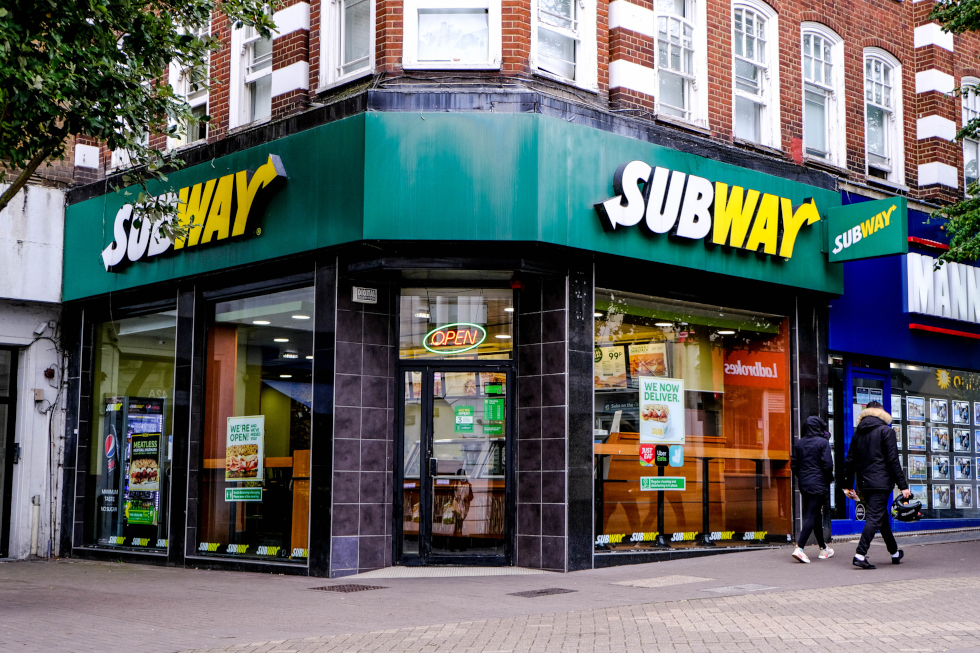
What Are the Benefits of Running a Subway Franchise?
There are significant strategic advantages to running a Subway franchise in Australia. Whether you open your business in Sydney or Perth, Melbourne or Brisbane, its established global brand presence provides instant market credibility, while the proven, turnkey business model reduces typical startup risks associated with independent restaurant ventures.
The brand's comprehensive training program is also a huge advantage, with franchisees able to make the most of a two-week intensive course at the training centre in Brisbane, Queensland, and access to the University of SUBWAY® e-learning platform. The model's flexibility allows stores to be established in diverse locations like shopping centres, universities, hospitals and other high-traffic areas.
There are also financial benefits like centralised purchasing power, which allows franchisees to access ingredients at competitive price points. Growing your portfolio to own multiple locations also presents particularly attractive earnings potential.
With local development offices across Australia, continuous support is provided, including site selection, design support, and operational assistance. This support network is especially useful during the early stages of running the business, which is a huge appeal for those looking to launch their first business – start-up life is often considered quite a lonely pursuit.
What Are the Main Challenges of Owning a Subway Franchise?
There are some challenges that come with owning a Subway franchise in Australia. High competition and market saturation pose a potential hurdle. With over 1,200 locations across Australia, franchisees can sometimes face competition from their own brand with stores located nearby.
There’s also the impact of ongoing fees on profitability. Subway charges an 8% royalty fee and a 4.5% advertising fee, which totals 12.5% of gross sales. These fees are quite high among quick-service restaurants and will cut into a franchisees’ bottom line.
If you are a business owner who wants decision-making freedom, you may also struggle with the limited operational flexibility a franchise offers. Franchisees must adhere to strict policies and procedures, including menu offerings, pricing and store operations.
Other Franchise Opportunities You Can Consider
Owning a Subway franchise in Oz can be an investment that brings ample rewards. It offers the opportunity to own a part of a global brand with a well-recognised, illustrious history. While the initial investment can appear steep, and the ongoing fees can be expensive, the potential for profits is significant.
If you have doubts about your investment eligibility or feel like other food franchises might be a better fit, don’t fret. There are myriad other investment opportunities available.
If you’re still deciding on what franchise to choose, you can take some time exploring other food-related franchise opportunities on BusinessesForSale.com.
You can also read our useful franchise guides. These offer credible information on the world of franchising, from how to choose the best franchise to understanding franchise agreements.
Frequently asked questions
Who owns the Subway franchise in Australia?
Subway Systems Australia Pty Limited is the sole franchisor for Subway in Australia. It is a foreign-owned private company whose ultimate parent entity is Subway Worldwide, Inc., based in the United States. The company is headquartered in Fortitude Valley, Queensland.
How many Subway franchises are there in Australia?
As of 2024, there are 1,232 Subway stores across Australia, with New South Wales hosting the highest number at 317 locations.